AI Assault on our children's critical thinking skills
- Dec 17, 2025
- 2 min read
The Good Old Days
Ah, the good old days. Remember the library?
If you were in college or high school in the 90s or early 2000s, you remember. Books stacked on both sides of your Table. Index cards everywhere. Hours spent in the reference section, cross-checking sources, forming arguments, actually thinking through your thesis.

We didn't know how good we had it.
We were exercising critical thinking without even realizing it taking raw information and forming our own opinions, debating with study groups, struggling through the research process. A recent MIT study confirms what many of us suspect: as AI touches every aspect of our lives, these critical thinking skills are waning. Dangerously so.
I learned to drive a manual transmission as a teenager.
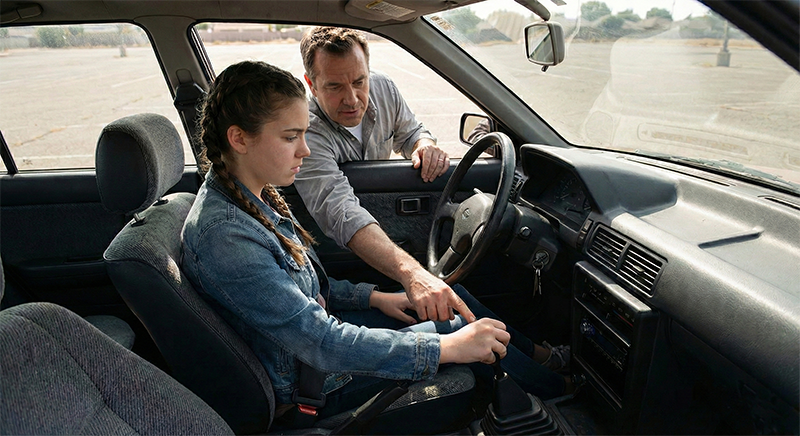
My first car was a manual transmission (stick shift) Nissan because I wanted to save $1,200 on the Price of the car. Today, manual transmissions represent just 0.8% of car sales in America. An entire generation of drivers will never learn this skill simply because they don't have to.
Now imagine that happening to critical thinking itself.
The Instant Answer Era
AI is everywhere in our children's lives their phones, tablets, and soon, fully integrated into Google Classroom. When you can get any answer in 30 seconds or less, why spend time learning? Why struggle? Why think deeply about anything?
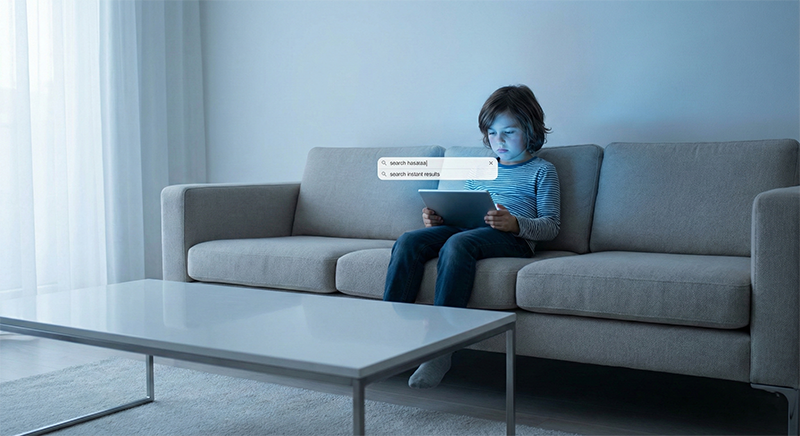
This is our crisis. The very thing that makes us human our ability to think critically, to imagine, to form new ideas, to communicate and collaborate is under assault.
We've watched it happen at Techakids over the past decade. Ten years ago, children would spend 30 or 45 minutes working with friends to solve a problem. They'd get frustrated, sure, but they'd push through. They felt proud when they figured it out. Most of the time, they didn't want help from instructors they wanted to do it themselves.
The Decline of Soft Skills
Today? Three to four minutes. That's how long before frustration sets in. They want immediate answers. They work alone.
It caught us off guard. The soft skills we used to take for granted patience, collaboration, perseverance we now have to actively teach. We have to create structured opportunities for children to practice working as teams, to withstand discomfort, and to push through challenges.

But here's what matters: when we do this intentionally, we see results. We see children's faces light up when they solve problems on their own. We see them learning to think critically again.
As we move forward in this AI landscape, we cannot forget what separates us from the machines. Our ability to imagine. To think critically. To create something from nothing.
The Solution: Hands-On Problem Solving
This is Techakids' number one priority moving forward and why we've redesigned our entire approach. Most of our classes now include makerspaces where children imagine and build with their hands. Yes, there's coding. But there's also turning a screwdriver, seeing how pieces fit together, understanding scale and physics through touch and trial and error.
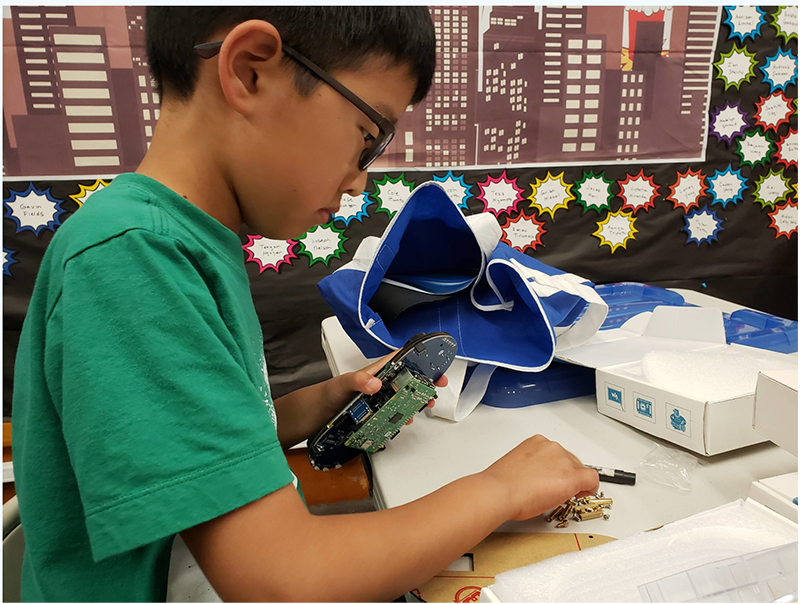
Because when you build something with your hands, you can't skip the thinking part. You have to problem solve in real time. You have to imagine the solution before you can create it.
That's what we're fighting to preserve. And that's why we need your help.